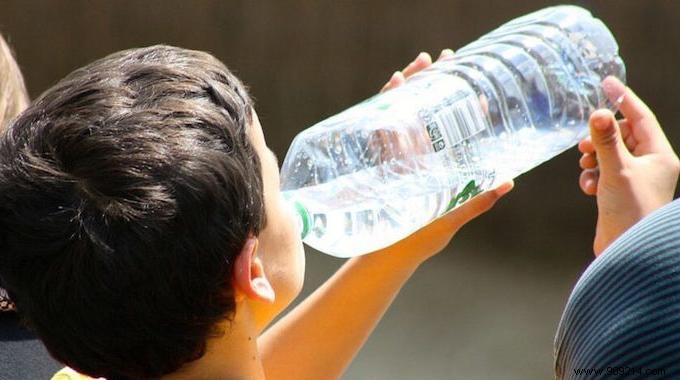
We often reach for a bottled water assuming it's safe and pure. But even high-quality water can become problematic due to the plastic container holding it.
Plastic water bottles can indeed harm your health if mishandled. Simply reusing them turns safe hydration into a potential toxin exposure.
Reusing plastic bottles is a common habit that makes them hazardous. Here's the science behind it:

Most water bottles are made from PET (polyethylene terephthalate), a plastic that's safe for single use.
However, these bottles aren't designed for reuse. After the first use, the plastic begins to break down, leaching chemicals into the water.
Like many people, I've refilled plastic bottles with tap water for convenience, but learning this changed my habits completely.
Do you reuse plastic bottles too?
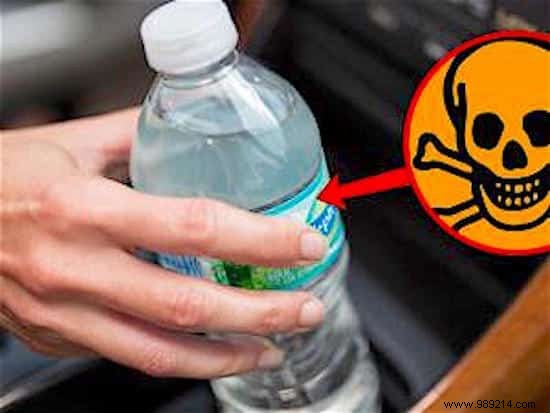
Each reuse allows antimony trioxide—a known carcinogen—to leach into the water. Studies show prolonged exposure can cause respiratory issues, skin irritation, and for women, menstrual disruptions or increased miscarriage risk.
This is yet another reason to skip bottled water when possible.
After discovering these risks, I stopped reusing plastic bottles entirely, whether large or small.
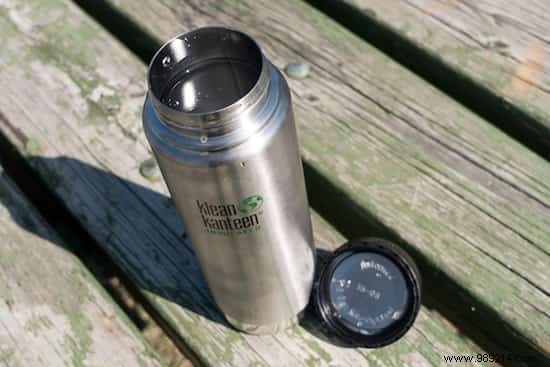
At home, I filter tap water but need a portable container. After thorough research, Klean Kanteen stainless steel bottles emerged as the top choice.
Why? They're plastic-free, eliminating risks from BPA, phthalates, lead, or other toxins. Made from durable stainless steel with no internal coating to degrade.
Easy to clean with baking soda or in the dishwasher, they're slightly heavier but worth it for health, eco-friendliness, and long-term savings. Amazon reviews confirm their popularity.
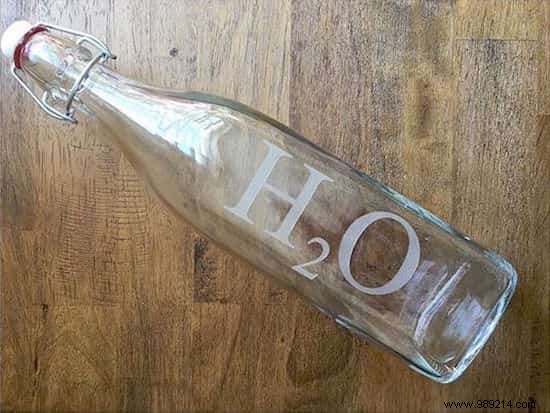
This isn't the only option, especially for home use. Opt for glass bottles—reusable, recyclable, and chemical-free. Repurpose an old wine bottle or use a pitcher with a mechanical stopper.
Earthenware pitchers work well too. These plastic-free choices ensure safe hydration without health risks.
