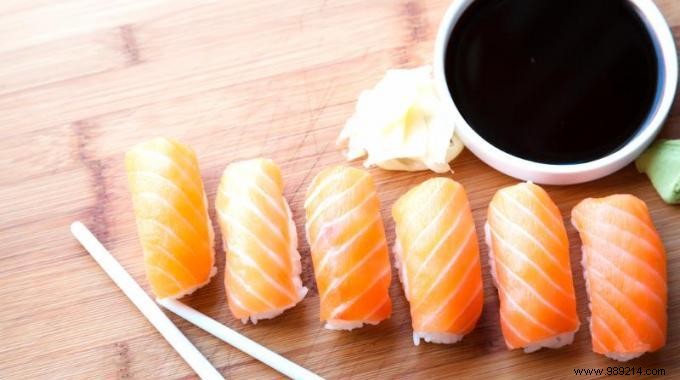
Sushi enthusiasts, take note: Recent warnings from the Norwegian government about farmed salmon have raised important questions about its safety.
Norway's authorities have flagged high levels of organic pollutants in their farmed salmon, prompting advice to limit consumption—especially for pregnant women and young people to no more than twice a week.
Once promoted for its health benefits, salmon now faces scrutiny. The Ministry of Health had recommended regular intake, but new revelations suggest caution.

What does this mean for your health and your favorite salmon sushi? Let's examine the evidence.
• Dioxins, familiar from past food scandals like contaminated chicken, are highly toxic. The World Health Organization (WHO) warns they can cause reproductive and developmental issues, immune system damage, hormonal interference, and cancer. Full WHO details.
• PCBs (polychlorinated biphenyls) are equally concerning pollutants, historically linked to industrial use and even products from companies like Monsanto. Learn more about PCBs.
Read our related article: Avoiding Monsanto Products? Key Brands to Know.
Reports, including those from Rue89, highlight specific concerns with Norwegian farmed salmon:
• Risks to growth and development, particularly for pregnant women, young children, and adolescents.
• Potential links to obesity, as these fish are fed animal meal, increasing fat content.
• Elevated cancer risks from accumulated pollutants.
To make informed choices, scrutinize your salmon sources carefully.
As Le Monde reports, avoiding Norwegian farmed salmon is challenging—Norway dominates global production, while wild Atlantic salmon has become scarce.
Three key precautions:
• Check labels: Opt for trusted certifications like Label Rouge, Saumon de France, or AB Organic Salmon.
• Seek 'wild salmon': It's typically specified on packaging.
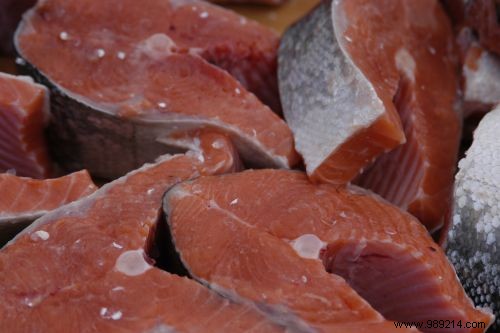
• Inspect white fat lines: Wider lines indicate higher fat content, common in Norwegian farmed varieties.
For sushi, origin details are often absent from menus, so ask your restaurant. For deeper insights, watch the Thalassa program's report on farmed salmon secrets.
