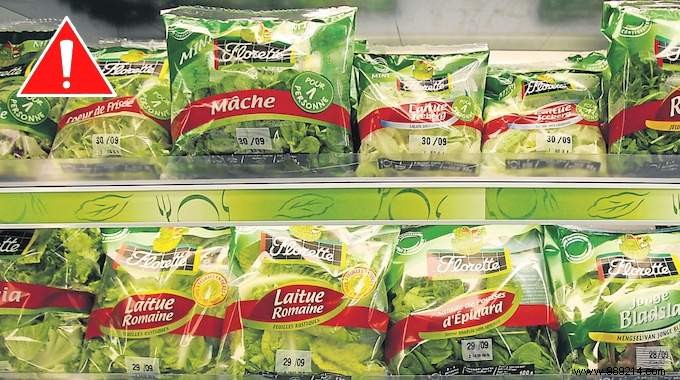
Pre-washed bagged salads offer convenience and save time, but at what cost? A detailed investigation by UFC-Que Choisir reveals they come with significant health risks and environmental drawbacks—far outweighing the benefits compared to fresh, whole heads of lettuce.
French consumers devour over 73,000 tonnes of bagged salads annually for their no-wash, no-sort ease. However, to ensure safety, manufacturers rinse them in chlorine solutions—similar to bleach—to kill germs and bacteria.
While producers claim chlorinated water is safe, evidence suggests otherwise. When chlorine meets natural residues on leaves, it can form trihalomethanes, potentially carcinogenic compounds. Chlorine residues may linger on poorly rinsed leaves or enter wastewater, prompting experts to recommend rinsing bagged salads again before eating.
UFC-Que Choisir tested 28 popular bagged salad brands for pesticides, nitrates, residues, and microbial quality. Alarmingly, 24 contained chlorates. Nitrates were widespread, and pesticides appeared in every sample except one organic option. Chlorine kills bacteria but leaves pesticides untouched.
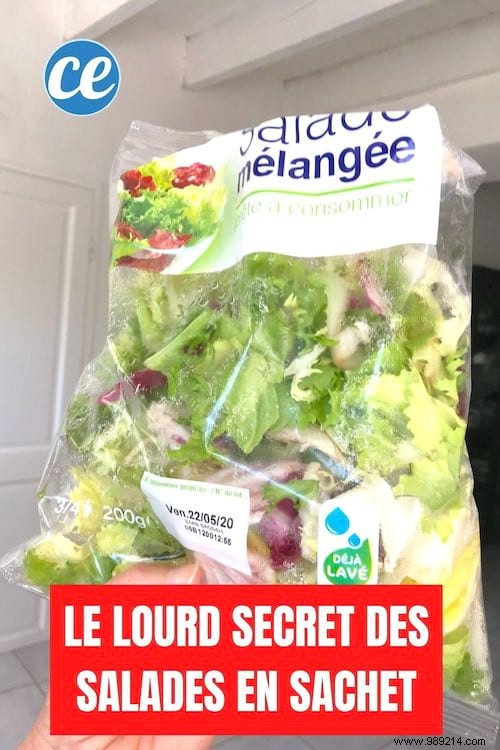
Modified atmospheres extend shelf life but destroy nutrients. As Felicity Lawrence notes in Not on the Label, vitamins C and E, plus key antioxidants, degrade during packaging. These salads look vibrant but offer little nutritional value.
Industrial washing guzzles resources: 20 to 30 liters of water per kg of lettuce—far more than home rinsing. With billions of bags sold yearly, the environmental toll is staggering.
Opt for fresh, soil-dusted heads from local fields. Clean efficiently with a vinegar soak or quick tricks to save water and time. Store properly to keep them crisp for a week, revive wilted leaves easily, and whip up homemade dressings for flavorful meals. Ditch pricey bags and embrace healthier, sustainable options.
Have bagged salads fooled you too? Share your thoughts in the comments—we'd love to hear from you!
