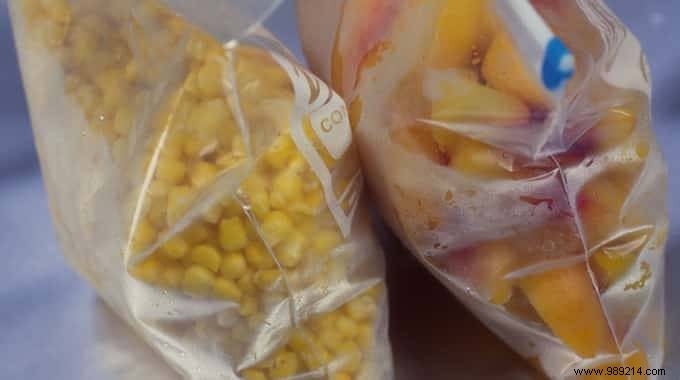
Did you know most fruits (except citrus) can last up to a year in the freezer? Your freezer is more versatile than you might think, handling everything from leftovers to fresh produce, meats, and baked goods.
Store vegetables, fruit juices, steaks, margarine, spices, whole chickens, turkeys, pastries, roast pork, or beef—and in many cases, up to 1 year.
To help you freeze safely, here's a comprehensive guide to recommended storage times for frozen foods, drawn from established food safety standards. 
How Long Can You Keep Food in the Freezer?
Freezing halts bacterial growth, so food can technically last indefinitely. However, quality declines over time—even in the freezer. For optimal safety and taste, follow these recommended storage durations based on expert guidelines.
Breads & Desserts
- Breads and rolls (baked): 2-3 months
- Breads and rolls (unbaked): 1 month
- Cookies (baked): 6-8 months
- Cookie dough: 3 months
- Cakes without icing (baked): 2-3 months
- Cakes with icing (baked): 1 month
- Fruit pies (baked): 6-8 months
- Fruit pies (unbaked): 2-4 months
- Apple or apricot pies (baked): 1-2 months
- Cheesecake: 2-3 months
- Baked muffins: 6-12 months
- Pancakes: 3 months
- Waffles: 1 month
Meat
- Lamb and veal: 9 months
- Pork chops: 4-6 months
- Roast pork: 4-12 months
- Steak: 6-12 months
- Beef ribs: 4-6 months
- Roast beef: up to 12 months
- Chicken, capon and turkey (whole): 12 months
- Chicken and turkey (in pieces): 9 months
- Ground pork and turkey: 3-4 months
- Beef, chicken: 3-4 months
- Tongue, liver, kidneys, heart, sweetbreads: 3-4 months
- Game: 3-4 months
- Ham (cooked): 2 months
- Canned ham (after opening): 1-2 months
- Ground beef (raw): 3-4 months
- Bacon, bacon bits: 1 month
- Sausages: 1-2 months
- Cooked meats: 2-3 months
- Knacks (in freezer bags) or chipolatas: 1-2 months
- Fried chicken: 4 months
- Poultry preparations (cooked): 4-6 months
- Chicken nuggets: 1-3 months
Fish & Seafood
- Lean fish: 6 months
- Oily fish: 2-3 months
- Cooked fish: 4-6 months
- Smoked fish: 2 months
- Crustaceans: 2-3 months
- Lobsters: 12 months
- Crabs: 10 months
- Shrimps, scallops: 3-6 months
- Calamari, clams: 3-6 months
- Clams, mussels, oysters (fresh): 2-3 months
- Canned fish, seafood (out of the box): 2 months
Dairy Products & Eggs
- Butter: 6-9 months
- Margarine: 12 months
- Faisselle and cottage type cheeses: 1 month
- Hard cheeses: 6 months
- Soft cheeses: 6 months
- Ice cream: 2 months
- Yogurt: 1-2 months
- Eggs (raw): 1 month
Fruits & Vegetables
- Citrus: 3 months
- Other fruits: 9-12 months
- Walnuts, hazelnuts, nuts: 3 months
- Vegetables, including ceps: 8-12 months
Soups, Broths & Stews
- Meat broths: 2-3 months
- Soups with pieces of meat: 2-3 months
- Stews, meats in sauce: 3-4 months
- Vegetables in sauce, vegetable soups: 2-3 months
Drinks
- Milk: 3-6 months
- Fruit juices (homemade): 6 months
- Fruit juice (from concentrate): 12 months
Note: Liquids expand when frozen, so avoid glass containers to prevent breakage.
Miscellaneous
- Gratins, baked preparations: 3 months
- Egg preparations: 1-2 months
- Rice (cooked): 3 months
- Pasta, noodles (cooked): 3 months
- Sliced cold meat: 1-2 months
- Pizza: 1-2 months
- Spices, aromatic herbs: 12 months
- Frozen ready meals: 3-4 months
Foods to Never Freeze
- Charcuterie
- Vacuum-packed products
- Eggs with their shell
- Boiled eggs
- Coffee
- Mayonnaise
- Fresh cream
- Buttermilk
- Cream cheese
- Flank
- Custard
- Salads with chicken, ham, tuna, pasta, eggs
- Bottled salad dressings
- Unopened canned ham
- Canned fish
- Pasta (uncooked)
- Rice (uncooked)
- Cereals
- Apples
- Melons
- Artichoke
- Eggplant
- Lettuce
- Potatoes (except mashed potatoes)
- Radish
- Sprouts and sprouts
Pro Tips for Freezer Success
Set your freezer to -18°C (0°F) and store food in airtight containers or bags. Remove excess air from bags, and label everything with the food name and freeze date.
Skip fish frozen for a year or meat for two—quality and safety suffer. Follow these times to avoid foodborne illness and enjoy fresh-tasting meals.
