Retailers masterfully deploy psychological tactics to boost your spending. A prime example: supermarkets tuck essentials like milk and bread at the back, drawing you past impulse buys such as gum and candy up front.
Stores deeply understand consumer behavior and use it strategically to increase purchases.
Drawing from behavioral economics and real-world studies, here are 5 tactics retailers use to make prices feel irresistible:
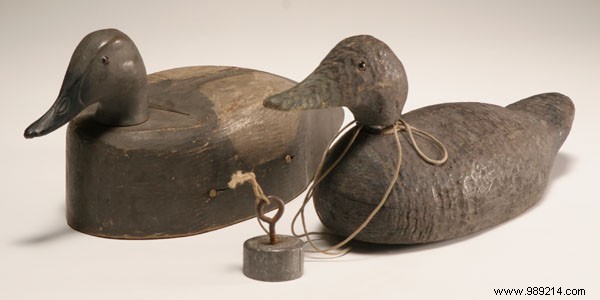
Large retailers introduce high-priced items that rarely sell. These "decoy" products aren't the goal—they make more affordable options look like steals by comparison.
Psychologically, they anchor your perception, nudging you toward the cheaper alternative.
Real example: Darty's bread machines
Darty priced a bread machine at €279, but sales lagged. They added a larger, premium model at €429.
The €429 version flopped, yet the €279 model flew off shelves—suddenly a "bargain." Without the decoy, the original didn't sell well.
Some shoppers equate price with prestige, paying premiums for status symbols like designer clothes, luxury cars, jewelry, or Apple gadgets.
Known as the Veblen or snobbery effect, this drives outsized margins on high-end goods. Buyers flaunt exclusivity, signaling superior social standing.
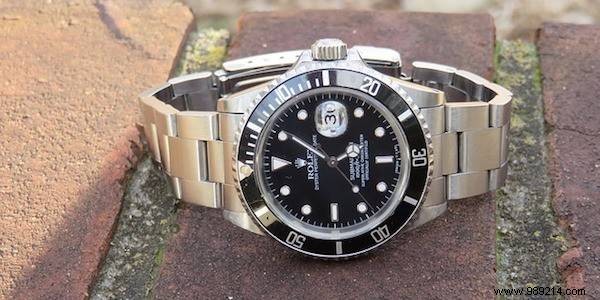
Real example: Rolex watches
Rolex sales skyrocketed after price hikes—the higher tag enhanced perceived value and desirability.
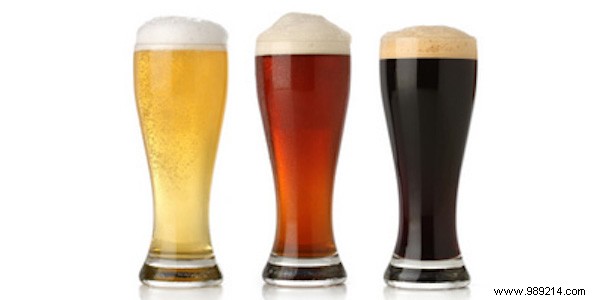
Buyers often skip the cheapest options, associating low prices with poor quality or appearing cheap. But they rarely pick the priciest unless status-driven.
Brands exploit this by positioning mid-range items as the smart choice.
Real example: Beer pricing study
In William Poundstone's Priceless, tasters chose between €2.50 premium or €1.80 standard beer—80% picked premium.
Adding a €1.60 cheap option shifted 80% to €1.80; none bought the cheapest.
Swapping for €3.40 super-premium? Most still chose €2.50, avoiding extremes.
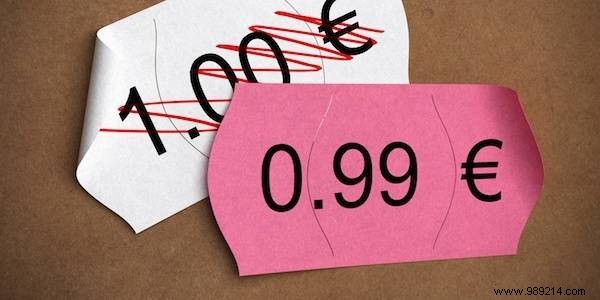
Studies confirm prices ending in 9—like €1.99 or €2.49—boost sales by up to 24%. Shoppers perceive €39 as far cheaper than €40.
Real example: Catalog pricing study
Researchers tested catalogs with identical items at €34, €39, or €44. The €39 version outsold both, even beating the lower €34.
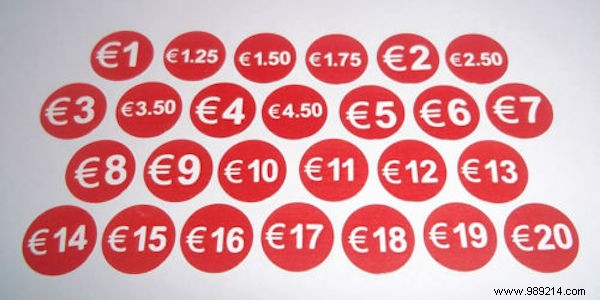
Discounts, sales, and crossed-out prices trigger bargain-hunting instincts. Shoppers buy just because it's "on sale," even if the original price was inflated.
Real example: Clothing store labels
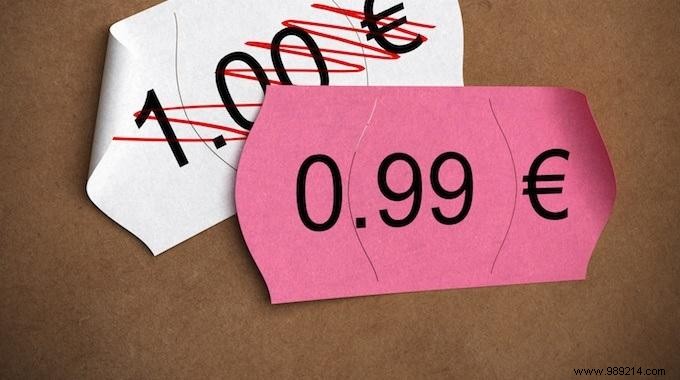
A €150 jacket gets a strikethrough tag next to €99 in red. The contrast screams "deal," compelling impulse buys.
