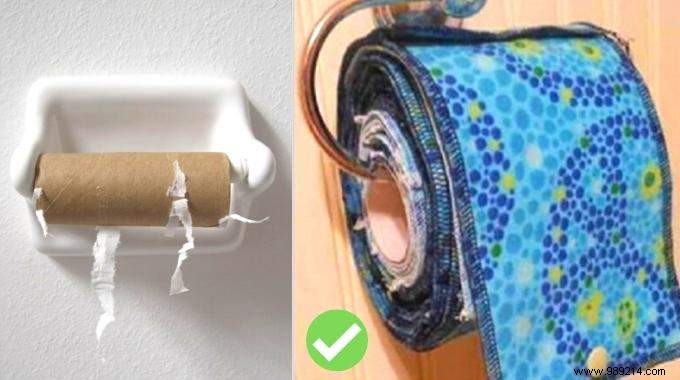
Can you really go without toilet paper? It's a staple in daily routines, but consider this: 27,000 trees are felled daily to produce it. Plus, it's not the most hygienic option and can irritate sensitive skin.
For a family of four, that's €360/year down the drain. As someone committed to zero-waste living for years, I switched to reusable alternatives and never looked back—starting with a simple washcloth. Here are 7 effective zero-waste options to replace toilet paper permanently.
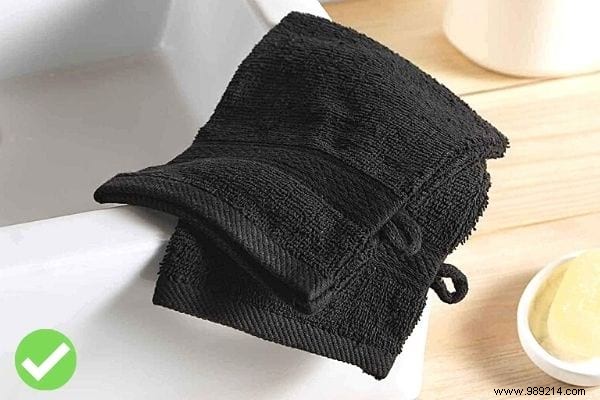
This is my go-to solution—simple and effective. Dedicate an old washcloth to this purpose. After using the toilet, moisten it and gently clean. It's a common practice for baby care, avoiding disposables like wipes or cotton pads.
Key to success: Keep a sink nearby for rinsing, use a sealed container for soiled cloths (like a diaper pail), and stock enough for your household.
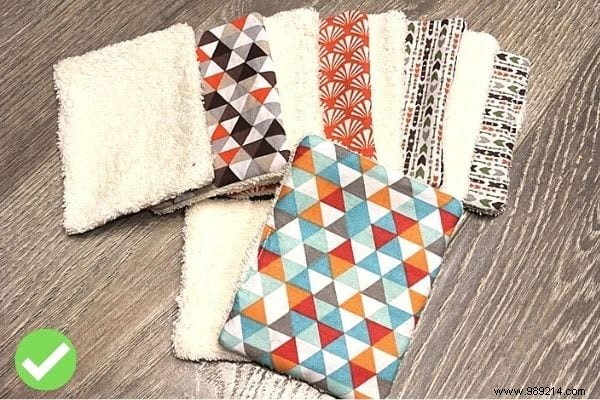
Similar to reusable makeup removers or baby wipes, these are fabric pads for toilet use. Moisten, wipe, and launder. DIY them from fabric scraps or old towels, or buy ready-made ones. An easy, eco-friendly swap.
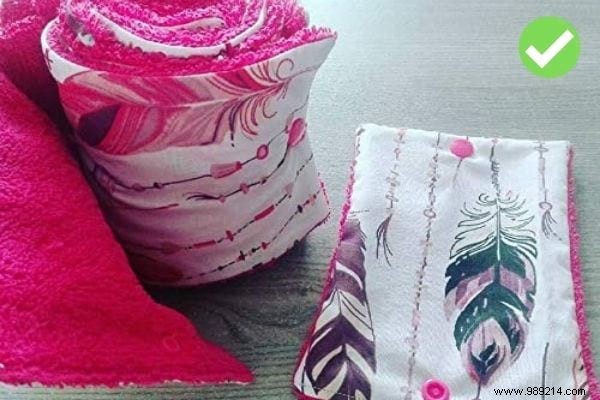
Reusable cloth squares mimic toilet paper rolls, connected by snaps. Tear off a sheet, use it, and store in a sealed bin for washing—like cloth diapers. Make your own or find them in eco-stores and online.
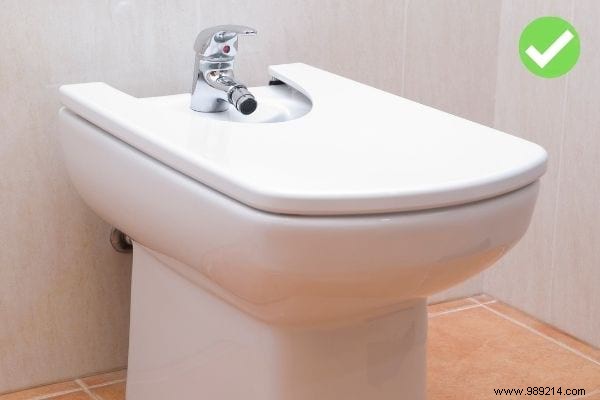
Once a bathroom standard until the 1960s, bidets offer superior hygiene without paper. If space allows, install one. Straddle it (facing or back to the tap), adjust water temperature, and rinse genitals or anus accordingly—no full undressing needed.
No room for a bidet? Install a handheld showerhead next to the toilet, common in Asia. Use the spray for thorough cleaning—highly hygienic and affordable. Ideal for all toilets and helpful during menstruation.
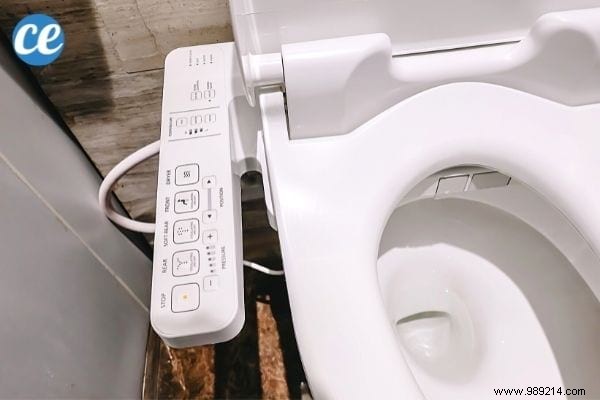
Renowned for innovation, these feature built-in washes and warm-air dryers. Full models are pricey, but affordable options include bidet seats or attachments that retrofit any toilet in minutes, delivering similar functions.
In 70% of countries, including many in Muslim regions and India, water is the norm—no paper needed. Pour water over private areas, clean with your hand or sponge, then wash hands. The ultimate low-cost, low-waste method.
For cloths, wipes, or reusable paper, store in airtight bins. Before sealing, sprinkle with baking soda and add tea tree essential oil for deodorizing, disinfecting, and antifungal benefits—a trick from cloth-diapering parents. Wash when full.
Toilet paper drives 15% of global deforestation, with only 40% recycled (just 2% in the US). Each roll requires 140 liters of water. Europeans use 13 kg/person/year, creating massive waste. Sites like comment-economiser.fr combat this by planting thousands of trees annually. Time to rethink!
