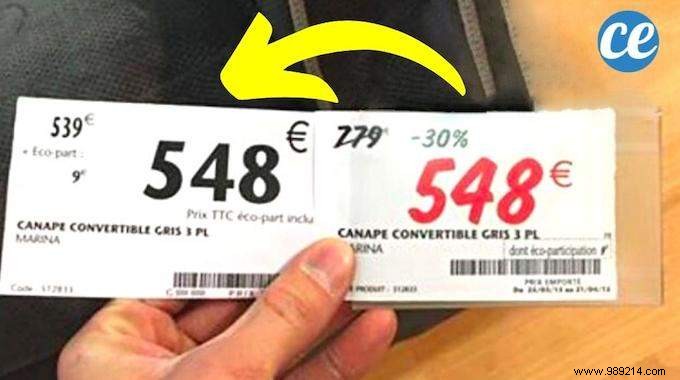
Shopping during sales without getting scammed isn't always easy.
Want to snag real deals? After falling for tricks myself a few times, I turned to a trusted salesperson friend for advice. She shared proven strategies to dodge common sales pitfalls.
Since then, I've shopped confidently in stores and online—scam-free. Now, I'll pass these insights to you, drawn from real-world experience and consumer protection guidelines.
Here's how some merchants try to mislead shoppers—and exactly how to protect yourself.
You'll shop smarter in 2022. Watch out for these:

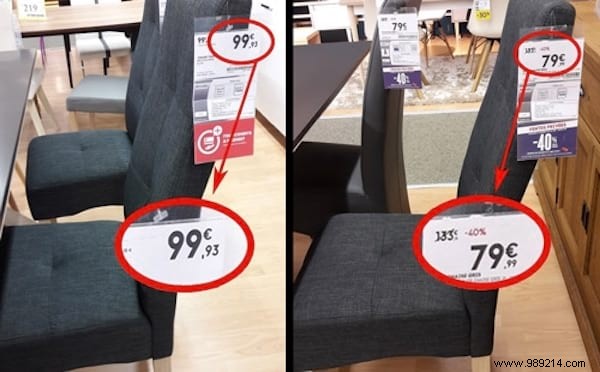
This is a classic tactic.
Merchants inflate the 'original' price on the tag—far above the actual reference price—then apply a 'generous' discount that isn't real.
Example: Chairs tagged at €133 originally, 'on sale' for €79.99. Sounds great—until you learn they normally cost €99.93. The real savings? Minimal.
How to avoid it: For big-ticket items like appliances, furniture, or electronics, check prices pre-sales across stores. Compare online too for a true baseline. Small items are trickier, but vigilance pays off.
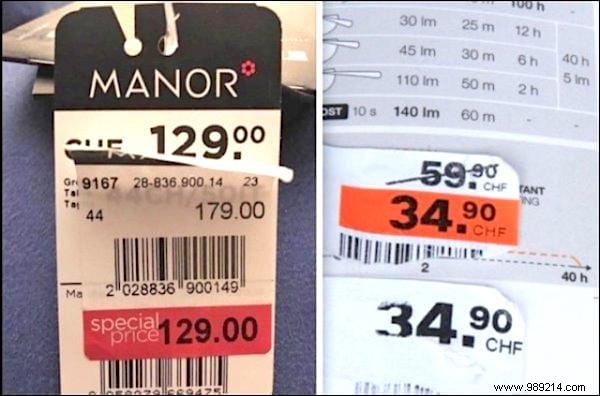
Calculation 'mistakes' happen more than you'd think.
Example: Pants at €75 with 30% off should be €52.50, but tagged at €55. It's not revolutionary savings lost, but every euro counts.
How to avoid it: Whip out your phone calculator for suspicious deals. Or use this mental math shortcut: 10% off is easy, scale up from there.

Eye-catching signs scream -50% or -70% to lure you in. But inside? Those deals vanish.
It's false advertising, plain and simple. Sales frenzy makes us overlook it—or settle for lesser promos.
How to avoid it: Stay cool. Enter for the advertised deal only. Pro tip: Wait 48 hours before impulse buys to curb FOMO.
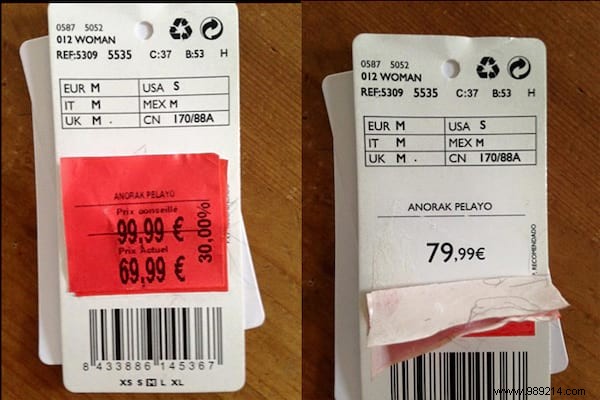
Legal sale labels must show three things: original price, sale price, and discount percentage.
Skip compliant tags? Question it.
How to avoid it: Spot a missing element? Ask staff—it might be an oversight. Steer clear of 'everything €10' bins or unlabeled 'sale' racks. No tag, no buy.
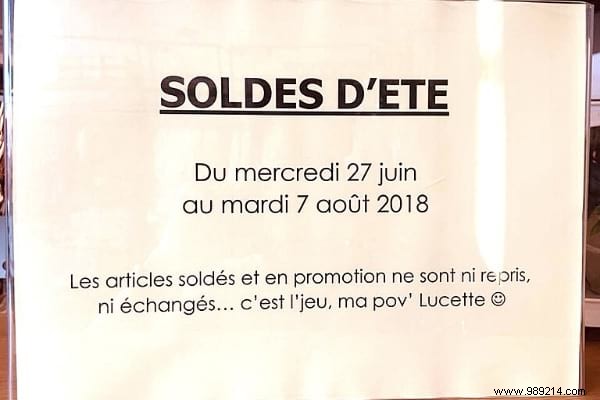
This phrase pops up everywhere during sales. Key fact: Sale items carry the same legal protections as regular ones.
Merchants must refund or exchange for hidden defects. Size regrets? No obligation, though goodwill happens. Online? Same rules, plus a 7-day withdrawal right from delivery (item must be pristine).
How to avoid it: Try before you buy to ensure fit.

You go for sales bargains, leave with full-price new stock. Guilty?
It's unfair—stores must separate sale items clearly, with proper labels. Same online: No mixing on pages.
How to avoid it: Scrutinize labels for discounts. That 48-hour rule crushes impulse upsells.

Rule: Only items sold within the last month qualify for sales discounts. No dusting off 2018 stock or cheap 'sales-only' junk.
That's merchandise fraud.
How to avoid it: Scout collections beforehand. Slow down—no rush buys.
Armed with these tips, sidestep major sales traps online and in-store.
Bonus: Watch for cyber threats like phishing during peak shopping. Stay informed, save more.
