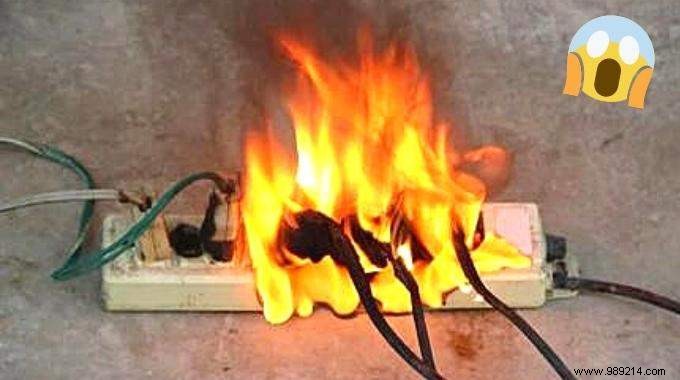
Did you know you should never plug an electric heater into a power strip? As temperatures drop, it's tempting to use one for extra warmth, but this simple mistake can lead to disaster.
Plugging heaters into power strips poses a serious overheating risk, which can ignite a fire that spreads rapidly through your home.
Firefighters are sounding the alarm on social media with vital advice to keep families safe. Here's what you need to know.
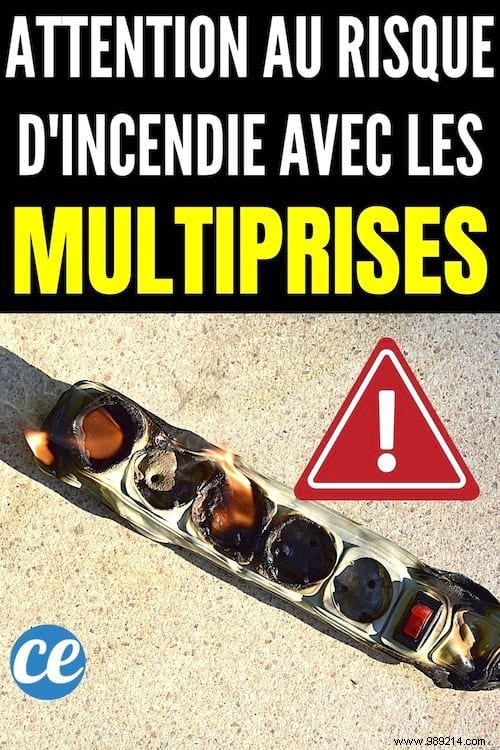 Contents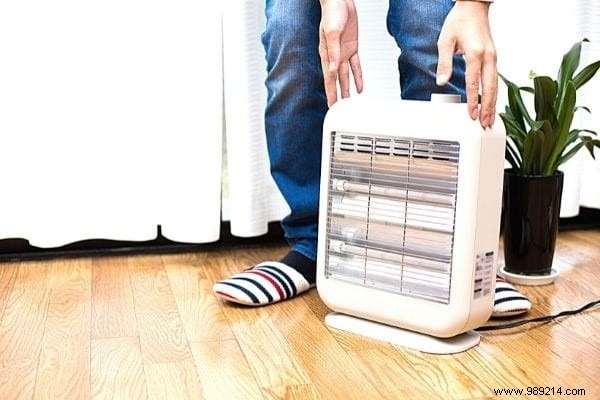
"You should never plug a heater into a power strip," firefighters urge. These devices aren't built for the high current draw of heaters, leading to overheating and potential fires.
Power strips simply can't handle the load from electric radiators or portable heaters. Even I was unaware of this hazard until seeing these alerts.
Online comments from users confirm real incidents of fires caused by overloaded strips. Experts universally advise against sharing outlets with heaters, as echoed by outlets like The Telegraph.
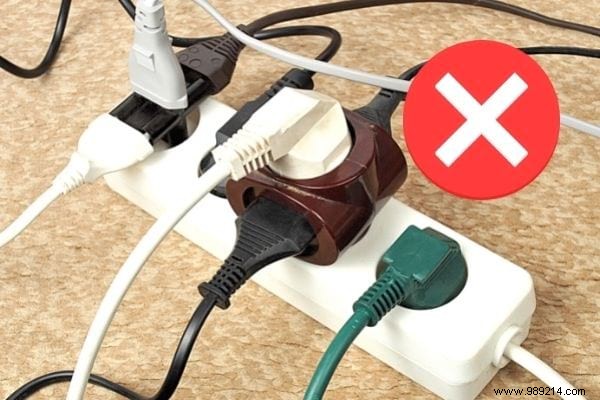
Power strips are convenient for multiple devices, but overloading them spikes voltage and causes overheating – often exceeding 200°C.
Avoid daisy-chaining strips or maxing them out, even 'fireproof' models with switches. According to EDF, 30% of house fires stem from electrical faults.
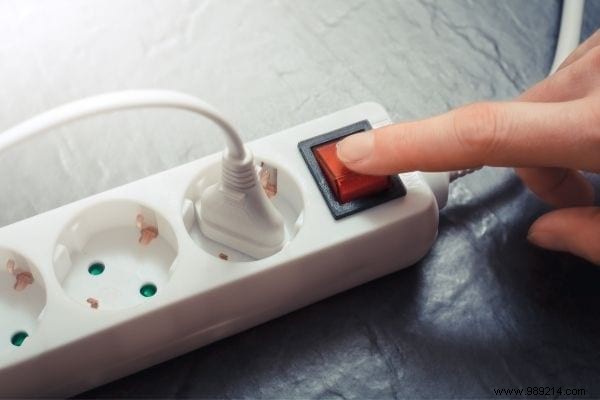
Use power strips temporarily only, never as permanent wiring, and stay under rated power limits.
Keep them visible, away from hidden spots or curtains.
For heaters: Turn off and unplug when leaving the room. Maintain a 90 cm clearance around the unit.
Plug directly into wall outlets – no strips or extensions.
Place on the floor, not on furniture, tables, or carpets.
Install smoke detectors on every level and keep a fire extinguisher handy – it could save lives.
