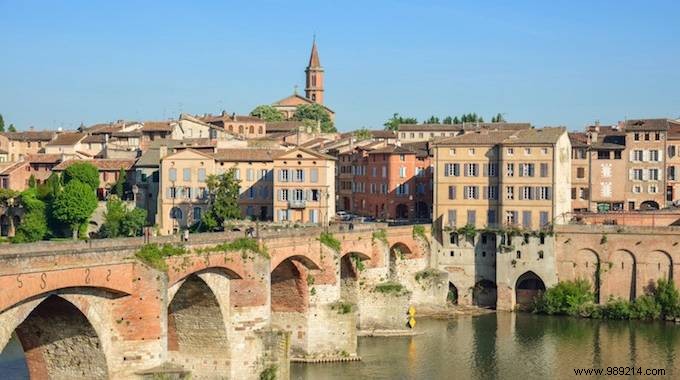
Imagine a city where every resident has access to fresh, healthy, organic food grown right nearby. That's the ambitious challenge Albi, in the Tarn region of France, has embraced.
City leaders are committed to achieving food self-sufficiency by 2020, ensuring its 51,000 inhabitants can rely on local organic agriculture. No fruit or vegetable should travel more than 60 km from farm to table.
This requires rethinking the entire local food system. Here's how:
By prioritizing short supply chains, Albi targets three key benefits:
- Reduced carbon emissions from minimal transport.
- Superior quality produce.
- Enhanced food security during crises.
Backed by strong political will and practical actions, Albi is turning this vision into reality.
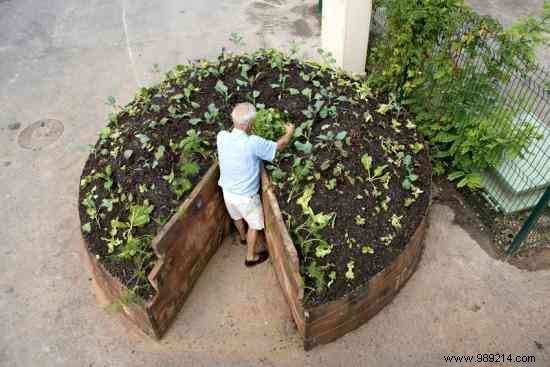
The municipality has preemptively purchased 73 hectares of fallow land near the city center. These plots are leased to market gardeners at a modest €70 per hectare annually.
In exchange, tenants must farm organically and supply local markets. In the first year, 8 hectares were allocated, creating 7 new jobs.
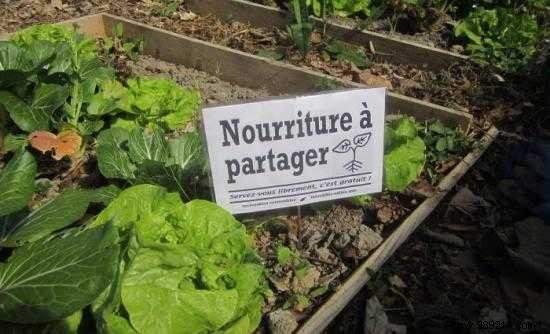
Albi also supports the Incroyables Comestibles movement, encouraging citizens to grow organic fruits and vegetables in public spaces—for free planting and harvesting by all.
City flowerbeds are being transformed into veggie patches with leeks, salads, and more. Green spaces are open to residents for gardening.
Though beautiful, these public gardens challenge old habits. As noted in Le Figaro, some residents still hesitate, feeling it's like "stealing." Time will help this shift take root.
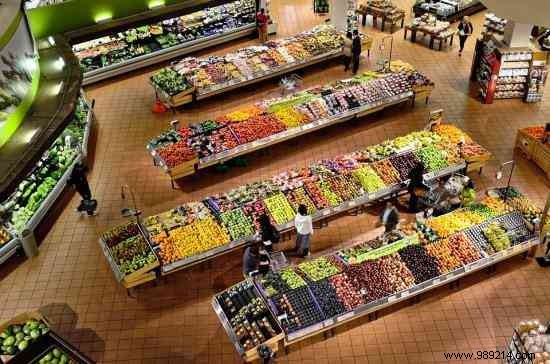
To complete the circle, large retailers must source from local producers. Growing consumer demand for eco-friendly, nearby-grown food is already paving the way.
Supermarkets need only follow this trend. True self-sufficiency means nutritious, sustainable food from your backyard—Albi is proving it's possible with collective effort.
