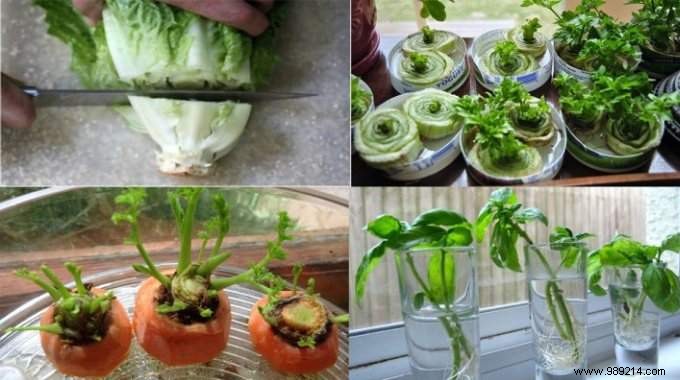
Tired of skyrocketing supermarket prices for fresh produce? As experienced home gardeners know, you can grow your own fruits and vegetables easily—no large garden required.
Whether you live in a bustling city apartment or a spacious countryside home, these expert techniques let you regrow produce indefinitely from kitchen scraps. It's simple, cost-effective, and yields chemical-free results.
From carrots and lettuce to pineapples, these methods work wonders in your living room or kitchen. Start by buying produce once, enjoy it, and use the leftovers to propagate more—endlessly.
No green thumb needed; these plants thrive with minimal care, skipping seeds entirely.
To master infinite home growing, follow these proven steps.
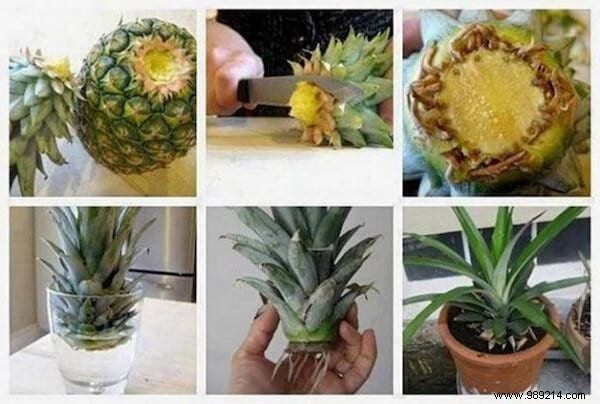
Love pineapples? Save the leafy crown instead of tossing it. Select a fresh, unripe one with vibrant green leaves for best results.
Twist or cut off the top, trim the fruit flesh, and place the base in a jar of water near a sunny window. Roots form in about a month; yellowing outer leaves are normal as new growth emerges from the center.
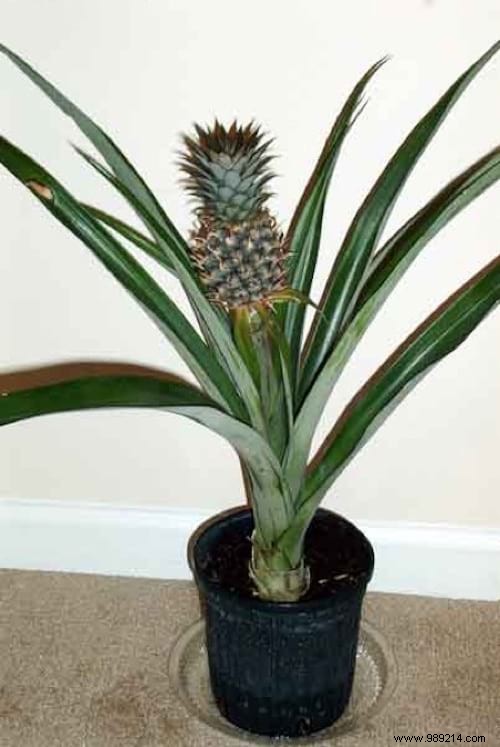
Once rooted, plant in a pot with well-draining soil, removing any dead leaves to prevent rot. Repot as it grows. It's not just productive—it's a stunning houseplant. Follow this tutorial here to successfully grow your pineapples at home.
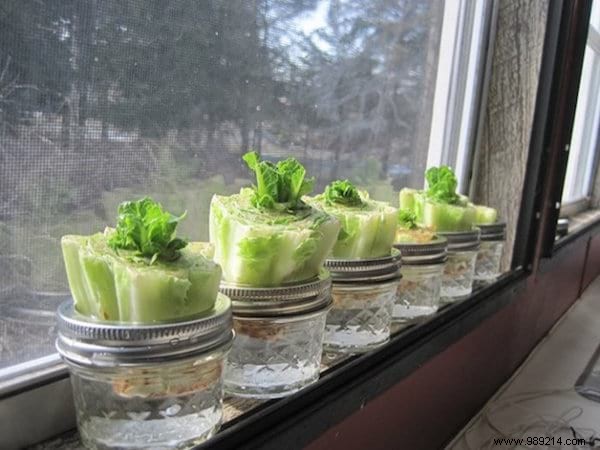
After enjoying your salad, save the root base (2-3 cm). Place it cut-side down in a shallow dish of water, keeping it half-submerged in bright light.
Top off water as needed. In 10-15 days, new roots and leaves sprout. Transplant to soil, gently removing only dead outer leaves to protect tender buds. Enjoy endless homegrown salads. Follow this detailed tutorial to successfully regrow lettuce at home.
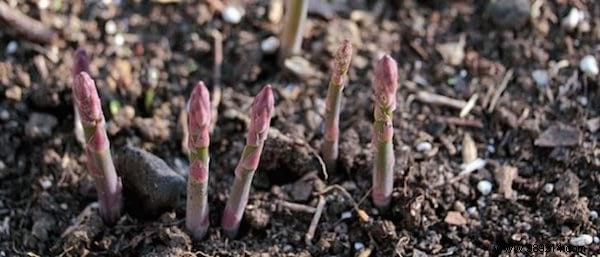
Asparagus feels luxurious due to its price, but home growing makes it free. The plants are perennial, ornamental, and delicious.
Source crowns from a garden center or friend. Soak in water, then plant in spring 50-60 cm apart, spreading roots in rich soil. Patience pays off—harvest after 1-2 years, then annually. Follow this tutorial to successfully grow asparagus.
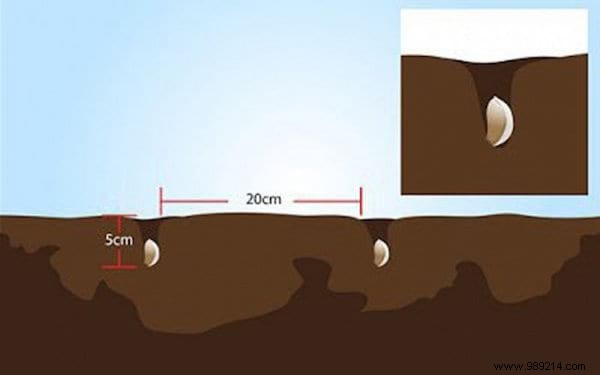
Skip seeds—garlic propagates from cloves. Plant a healthy clove pointy-end up in loose soil. Sprouted cloves work best.
Harvest when stems yellow, cure the bulbs, and replant for cycles. Bonus: flowering scapes are edible and fragrant. Find out here how to grow garlic at home.
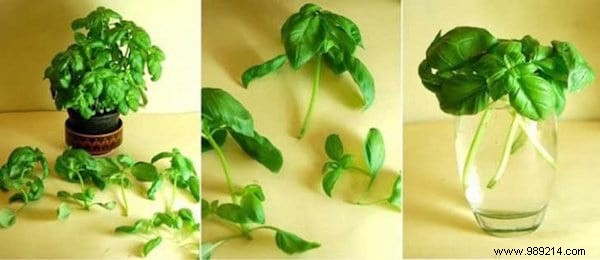
Snip 10 cm stems from healthy basil, root in water by a sunny window. Transplant 2 cm roots to pots. Harvest regularly for bushier growth—perfect for pesto or fresh dishes. Follow this tutorial here to successfully grow basil at home.
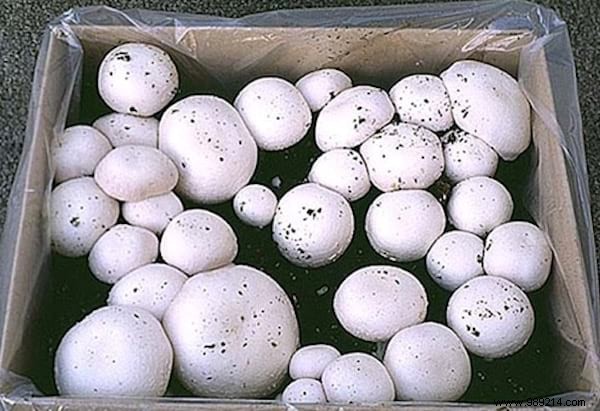
Mushrooms demand humidity and coolness. Inoculate compost or coffee grounds with spawn, keep moist in a shaded spot.
Trials may fail, but persistence yields gourmet results. Follow this tutorial to grow mushrooms on compost or this one on coffee grounds.
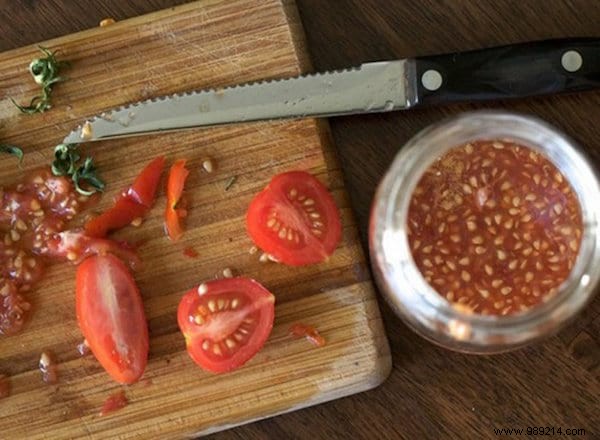
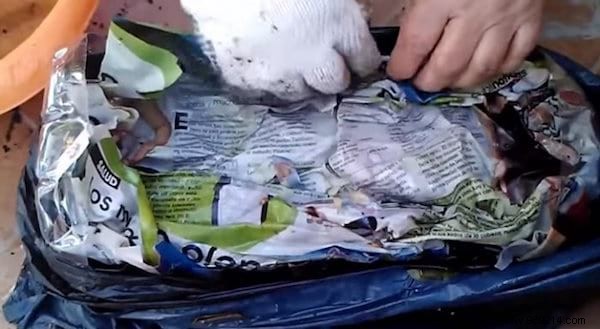
Create a mini-greenhouse: Halve tomatoes, save seeds. Cut a plastic bottle lengthwise, add drainage holes, stones, soil, and seeds topped with damp newspaper.
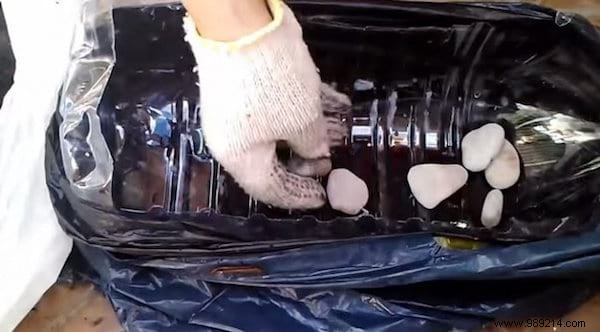
Seal in a black bag for 4-5 days until sprouts appear, then pot individually. Place in sun, water sparingly. Discover the world's easiest way to grow tomatoes here.
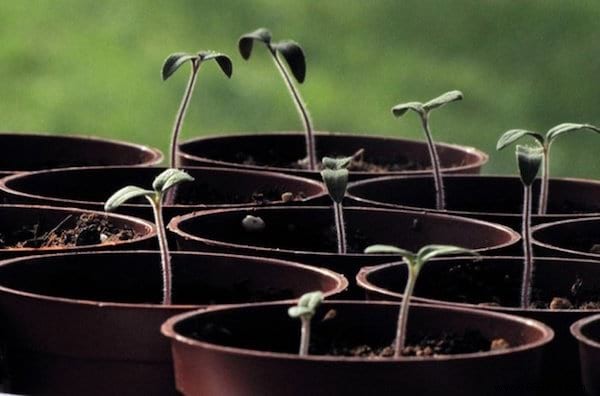
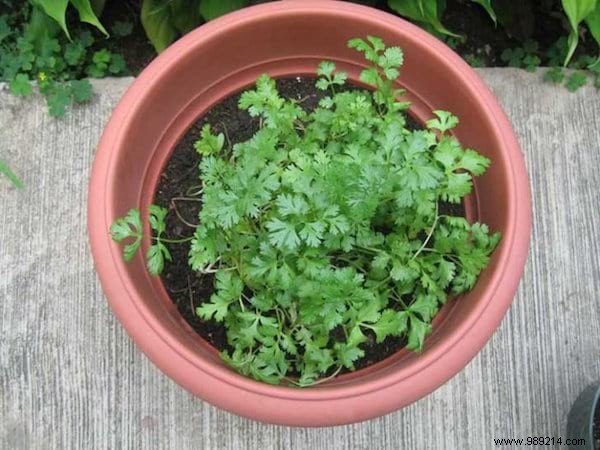
Root cilantro stems in water until developed, then pot in sunny soil. Harvest leaves ongoing for vibrant flavors in global cuisine. Follow this step-by-step tutorial to successfully grow cilantro.
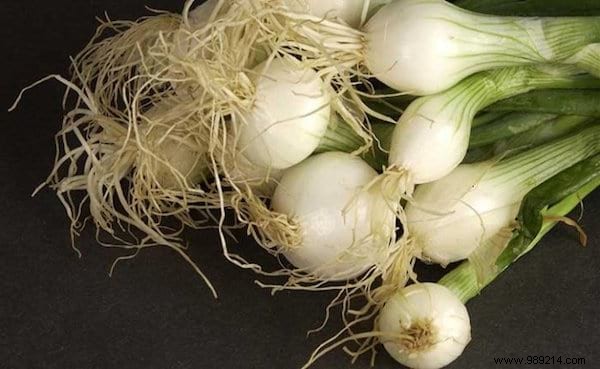
Save the root end (3 cm) of an onion, suspend in water. New greens sprout in days—eat greens, regrow roots, repeat. Works for scallions too. Check out the trick here.
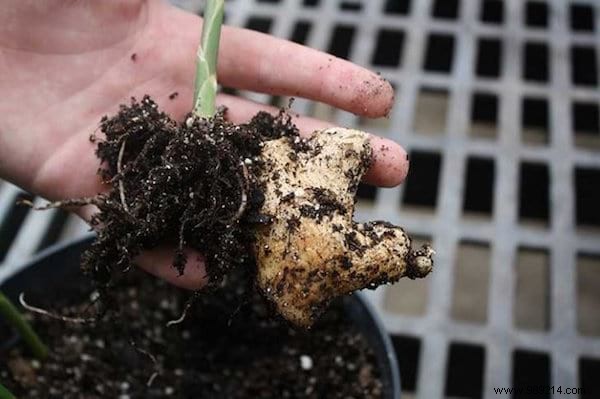
Plant a fresh ginger nub with buds in moist soil. It sprouts slowly (8-10 months) but yields abundantly. Give it warmth and space. Find out here how to grow unlimited ginger at home.
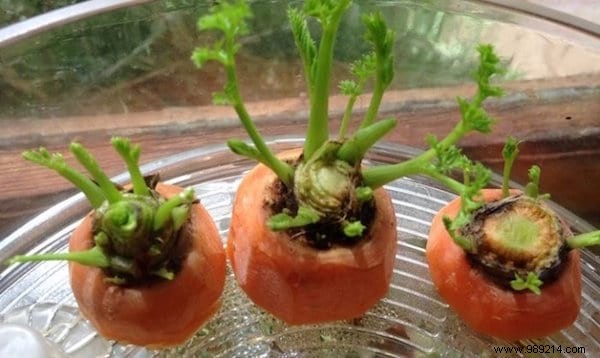
Submerge carrot tops halfway in water. Buds appear in 7-10 days; try multiples for success. Transplant 3-4 cm greens to deep pots with soil. Follow this tutorial here to successfully grow carrots.
Now you're equipped to grow these 11 from scraps—no more store-bought produce! Enjoy fresh, pesticide-free harvests and slash your grocery bill indefinitely.
