
San Francisco ensures hardly any trash escapes its borders. Why? Because the city transforms nearly all of it into valuable resources.
Thirteen years ago, the city's 850,000 residents embarked on an ambitious goal: recycle 100% of waste by 2020. Today, they've achieved 80% diversion through recycling and composting—a remarkable success that's generating significant revenue and jobs.
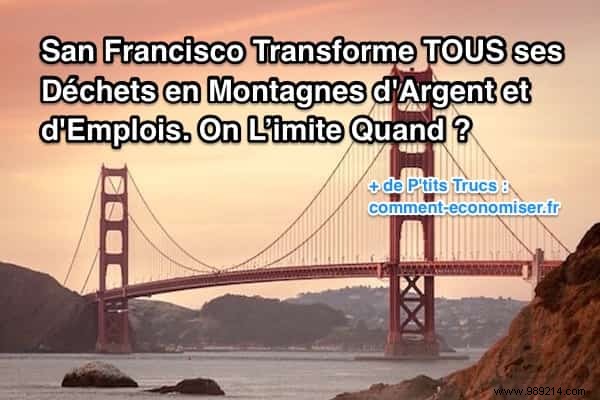
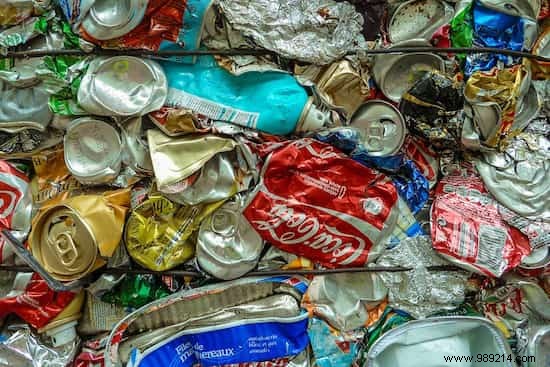
At the heart of this system is Pier 96 (often referred to in operations as Pier 86), a massive 20,000 m² facility processing 1,000 tonnes of waste daily. Advanced organization and mechanization sort materials efficiently: recycled cardboard heads to packaging factories in China and Vietnam, while glass and cans go to local foundries.
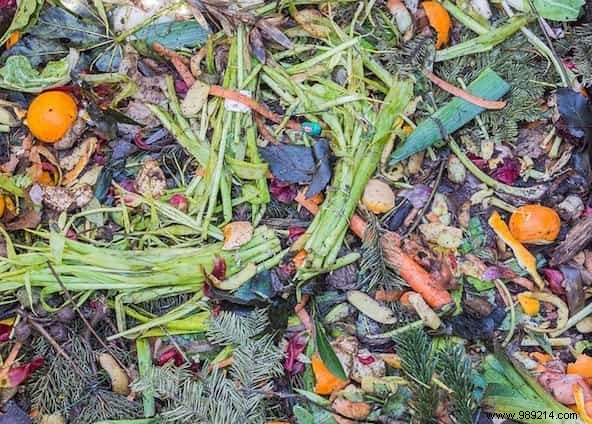
Organic waste becomes high-quality compost, purchased daily by local farmers—including California's renowned vintners—to the tune of 650 tons. This closed-loop approach proves trash is treasure, reducing landfill use while creating economic benefits.
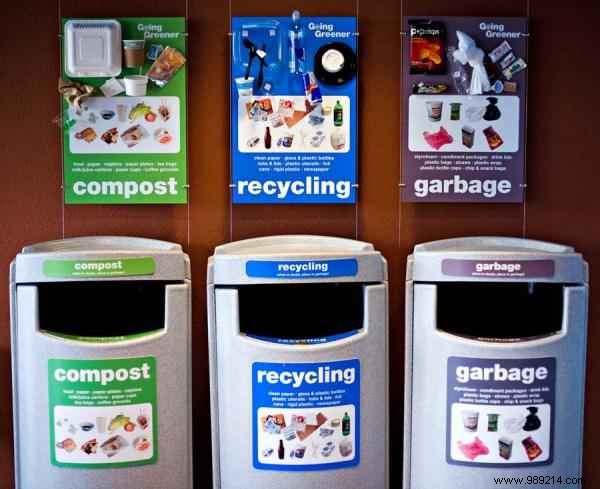
To reach full diversion, San Francisco enforces strict policies: fines from $100 to $1,000 for improper sorting, plus higher rental fees for larger black (landfill) bins. This encourages residents to minimize non-recyclables and opt for smaller bins.
These measures have sparked a virtuous cycle: slashing CO2 emissions, boosting the local economy, and employing 178 workers at Pier 96 with salaries from $40,000 to $80,000 annually. Stemming from a steadfast political commitment 13 years ago, San Francisco's model shows sustainable waste management is achievable—and profitable. Other cities can follow suit toward 100% zero waste.
